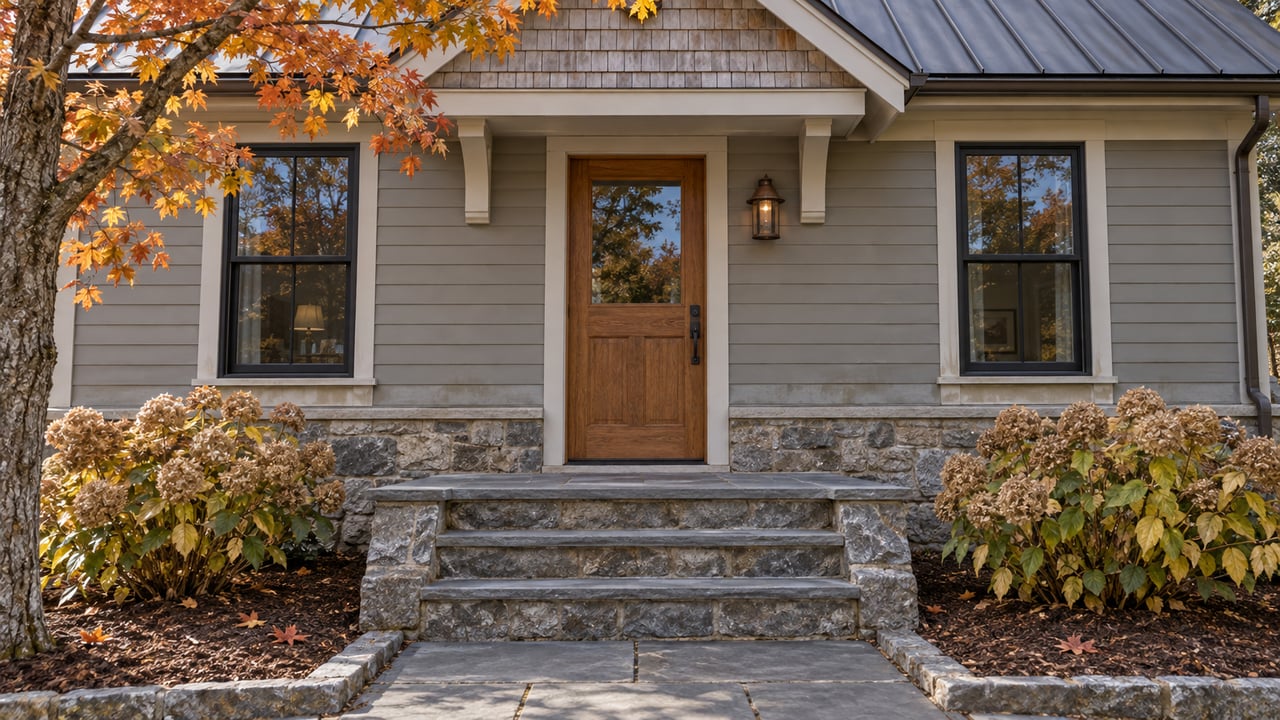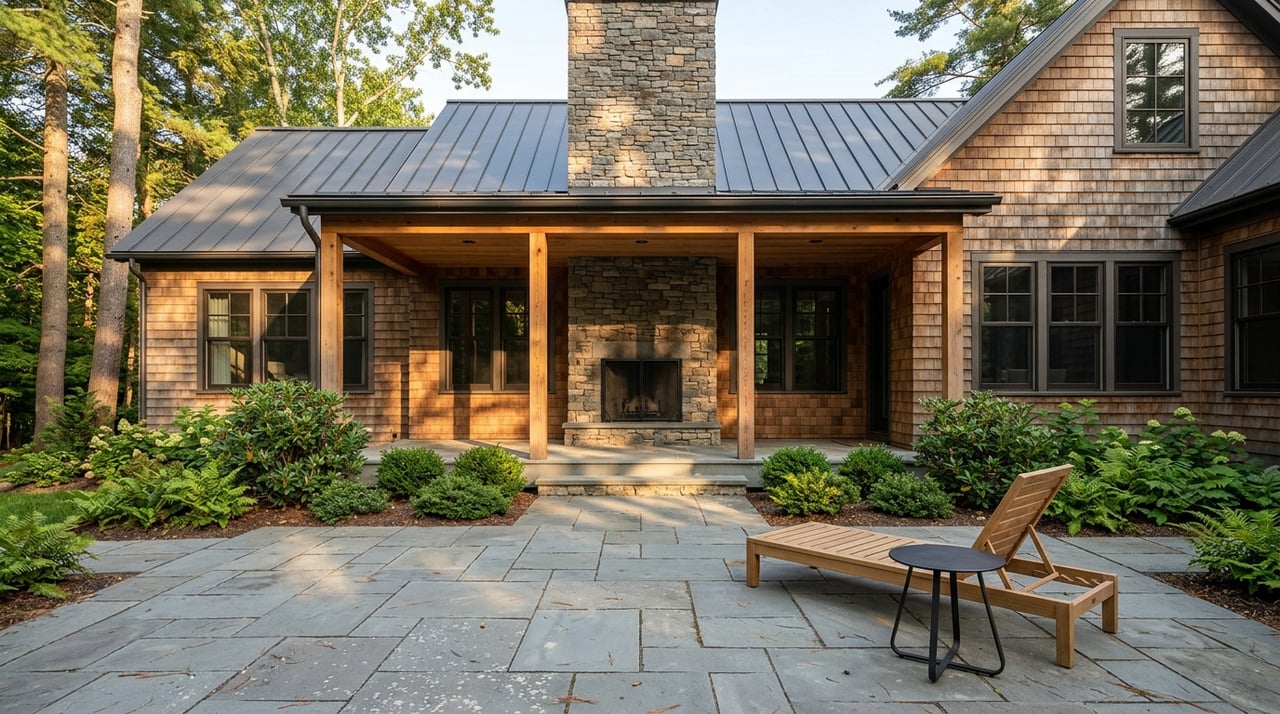
Selling a home in Blowing Rock can move faster than many sellers expect, but the work that happens before you list often has the biggest impact on your result. If you are hoping for a smooth sale, strong marketing, and fewer last-minute surprises, it helps to think in stages instead of waiting until you are ready to put a sign in the yard. This step-by-step timeline will show you what to expect, what to do first, and where local Blowing Rock details can affect your schedule. Let’s dive in.
Start 6 to 8 Weeks Early
A smart selling timeline in Blowing Rock usually begins about 6 to 8 weeks before your listing goes live. That gives you time to plan pricing, review your home’s condition, gather paperwork, and handle repairs without feeling rushed.
This early window matters because the prep phase can easily take longer than the market phase. As of May 31, 2026, Blowing Rock homes were going pending in about 17 days on Zillow’s local market tracker, which suggests that once your home launches, things may move quickly.
Schedule Your Listing Consultation
Your first step is a listing consultation focused on condition, pricing, and timing. This is the point where you can talk through what your home may need before it goes on the market and whether a pre-listing inspection makes sense for your situation.
A consultative approach is especially helpful in a mountain market, where homes can have unique features, additions, access considerations, or property-specific details that deserve attention up front. The goal is to create a clear plan, not scramble later.
Gather Disclosures and Property Records
North Carolina requires most residential sellers to provide a Residential Property Disclosure Statement. If your home is subject to a mandatory owners’ association, you also need the state’s owners’ association disclosure.
The revised disclosure requirements cover a wide range of topics, including structural components, mechanical systems, water and sewage, land-use restrictions, environmental matters, and association details like dues, assessments, transfer fees, and pending lawsuits. Starting early gives you time to locate records and answer carefully.
Pull HOA, POA, and Warranty Information
If your property is in a community with an HOA or POA, gather those documents early. You may need dues information, assessment details, transfer fee information, and other association-related records.
This is also a good time to find appliance manuals, system records, and warranties. These details may seem minor now, but they can become important later in the transaction.
Tackle Repairs Before They Delay You
Small repairs may take only a day or two, but larger updates can take weeks or more. That is why this stage is the right time to address items like touch-up work, maintenance concerns, or visible issues that could affect buyer impressions.
In North Carolina, material facts should be disclosed in writing in a timely way. If you know about a condition that could affect a reasonable person’s decision to buy, it is better to address it or prepare to disclose it early rather than wait for the contract period.
Handle Blowing Rock-Specific Items Early
Blowing Rock has a few local factors that can change your timeline, especially for older homes, homes with additions, homes near flood-prone areas, or properties used as short-term rentals. These are best handled before your listing is active.
Confirm Permit and Flood Details
Blowing Rock’s Planning & Inspections Department administers state building code enforcement and flood damage protection regulations. If your home has additions, renovations, or location-related flood questions, gather permit information and relevant property details before listing.
That matters even more now because disclosure guidance includes more detailed flood-related questions. Handling this early can help reduce delays during due diligence.
Review Short-Term Rental Status
If your home has been used as a short-term rental, build extra time into your plan. In Blowing Rock, a short-term rental is defined as a rental of less than 28 consecutive days, and the town has specific rules tied to zoning, parking, smoke and carbon monoxide detectors, 911 address posting, and local contact availability.
The town also states that many use changes require a zoning permit. If your property has short-term rental history, you will want to organize those details before you go live so buyers have clearer information from the start.
Use the 2 to 4 Weeks Before Listing Well
Once the planning and paperwork are underway, your focus shifts to presentation. This is the stage where your home should start looking as close to market-ready as possible.
In a visually driven market like Blowing Rock, every room, surface, and exterior detail contributes to the buyer’s first impression. That makes this phase essential for both photography and in-person showings.
Clean, Declutter, and Depersonalize
A simple, clean home is easier for buyers to understand. Start by clearing counters, reducing extra furniture or decor, and putting away personal items that distract from the space itself.
You do not need to erase all character from your home. You just want buyers to notice the layout, light, and features instead of your daily routines.
Finish Staging and Show-Ready Details
Staging often includes cleaning, decluttering, repairing, depersonalizing, and selective updates. It can be as simple as refining bedding, improving lighting, freshening bathrooms, and simplifying room layouts.
This is also the moment to focus on curb appeal. Exterior walkways, entry areas, and outdoor spaces should feel clean, safe, and easy to navigate.
Prepare for Photography
Photos are part of your marketing foundation, so the home should be fully ready before they happen. Beds should be made, surfaces wiped down, and rooms arranged to photograph clearly and consistently.
Because Robin Lineberger Stykes positions listings with a marketing-forward strategy, this step is more than housekeeping. It is about presenting your property intentionally so buyers see its strongest features right away.
Listing Week Is Launch Week
When your listing goes live, your home should be ready for quick showing requests. In a market where homes may go pending fast, staying consistently prepared can make a real difference.
This phase is about visibility, access, and communication. Once buyers start responding to the listing, you want as few obstacles as possible.
Keep the Home Show-Ready Daily
If you still live in the home, treat each showing like a reset. Make the beds, clear the counters, wipe surfaces, manage pets, secure valuables, and keep exterior access areas clear.
That daily discipline can feel inconvenient, but it supports better buyer experiences. The easier your home is to show well, the easier it is for buyers to picture themselves there.
Expect Feedback and Adjust if Needed
The first days on market often provide useful feedback about pricing, condition, and presentation. If showings are active, that can be a positive sign even before an offer appears.
If traffic or response feels slower than expected, this is the time to review what buyers are seeing and how the home is positioned. A step-by-step process works best when communication stays steady.
From Offer to Contract in North Carolina
Once an offer comes in, timing and terms matter just as much as price. In North Carolina, an offer becomes a contract only when the written agreement is signed by all parties and that acceptance is communicated.
That effective date is important because it starts the due diligence period. From there, the transaction moves into a more detailed review stage.
Understand the Due Diligence Period
Due diligence is the buyer’s negotiated window to investigate the property and the transaction. It often includes home inspections, pest inspections, septic review if applicable, survey work, appraisal, title search, loan qualification, and possible repair negotiations.
For sellers, this is the period where preparation pays off. The more organized and transparent you are before listing, the easier it may be to navigate buyer questions during this stage.
Know How Due Diligence Fees Work
If a due diligence fee is part of the contract, it is a negotiated amount the buyer pays to the seller by the effective date. It is generally nonrefundable unless the seller materially breaches the contract or a contract addendum states otherwise.
This is one reason offer review should never focus on price alone. Terms, dates, and risk points all shape your final outcome.
Closing Timeline and Final Steps
After due diligence, the transaction moves toward closing. This stage includes final loan work for financed buyers, deed preparation, and recording-related steps.
Even when things are going smoothly, it helps to stay organized and responsive. Small delays near the finish line can still affect moving plans.
Plan for Closing Week
For financed purchases, the lender must provide the buyer with a Closing Disclosure at least three business days before closing. Closing is typically the final step where the loan and home purchase happen at the same time.
In Watauga County, the Register of Deeds records deeds and accepts e-recording. North Carolina also charges a conveyance tax of $1 per $500 or fractional part of the value conveyed, and the transferor must pay it before the deed is recorded.
Negotiate Move-Out Timing if Needed
If you need extra time after closing to move out, address that early in negotiations. A post-close occupancy period can be part of the agreement, and a 30-day move-out window is a common negotiated option.
This can be especially helpful if you are coordinating another purchase, a relocation, or a move from a second home. The key is to plan it in writing rather than assume it can be figured out later.
A Simple Blowing Rock Seller Timeline
If you want the big picture, here is the typical sequence:
- 6 to 8+ weeks before listing: consultation, pricing discussion, disclosures, HOA or POA documents, permit review, flood-related questions, repair planning
- 2 to 4 weeks before listing: cleaning, decluttering, depersonalizing, staging, curb appeal, photography prep
- Listing week: launch marketing, stay show-ready, respond to showing activity and feedback
- Under contract: due diligence, inspections, appraisal, title work, repair negotiations, loan progress
- Closing and move-out: final paperwork, deed recording, conveyance tax, negotiated possession timeline
Selling in Blowing Rock tends to work best when you give yourself enough runway before launch and stay flexible once the listing is active. With a clear timeline and local guidance, you can reduce stress and make better decisions at each step.
If you are thinking about selling and want a calm, concierge-level plan tailored to your property, connect with Robin Lineberger Stykes to schedule a consultation.
FAQs
What is a realistic timeline for selling a home in Blowing Rock?
- A practical timeline is often about 6 to 8 weeks before listing for prep, followed by listing, showings, negotiation, due diligence, and closing.
What disclosures do North Carolina home sellers need to provide?
- Most residential sellers must provide a Residential Property Disclosure Statement, and sellers in mandatory owners’ associations must also provide the required association disclosure.
What should Blowing Rock sellers do before listing an older home?
- You should gather permit records, review any additions or renovations, and organize flood-related information early because local inspections and disclosure questions may affect the timeline.
What matters if my Blowing Rock home was used as a short-term rental?
- You should review the property’s short-term rental status, including zoning, permit history, and any town requirements tied to parking, detectors, address posting, and local contact rules.
What happens during due diligence in a North Carolina home sale?
- During due diligence, the buyer investigates the property and transaction through inspections, appraisal, title review, financing steps, and possible repair negotiations.
Can I stay in my home after closing in Blowing Rock?
- Yes, if both parties agree in writing, a post-close occupancy period may be negotiated as part of the transaction.