Wondering whether a brand-new home or a resale property makes more sense in Boone? It is a smart question, and in this mountain market, the answer is not always simple. Your decision often comes down to more than finishes and floor plans. In Boone, land conditions, utility access, zoning, and timeline can shape your experience just as much as the home itself. Let’s dive in.
Why this choice feels different in Boone
Boone is not a typical suburban market where you compare one new subdivision to a row of older homes nearby. The local housing mix is tighter and more varied, and that affects how buyers weigh their options.
Recent Census data shows Boone has a 26.2% owner-occupied housing rate, while Watauga County overall is at 62.1%. The median owner-occupied home value is $411,100 in Boone and $358,900 in Watauga County. The county also recorded 296 building permits in 2024, which points to ongoing construction activity, but still within a limited supply environment.
What that means for you is simple: both new construction and resale homes can be hard to find in the right fit. In many cases, you are choosing between limited existing inventory in established areas or a longer, more complex path to building something new.
New construction in Boone
New construction can be appealing if you want newer systems, a more current layout, and some level of customization. In Boone, though, building a home often involves more moving parts than buyers expect.
New construction pros
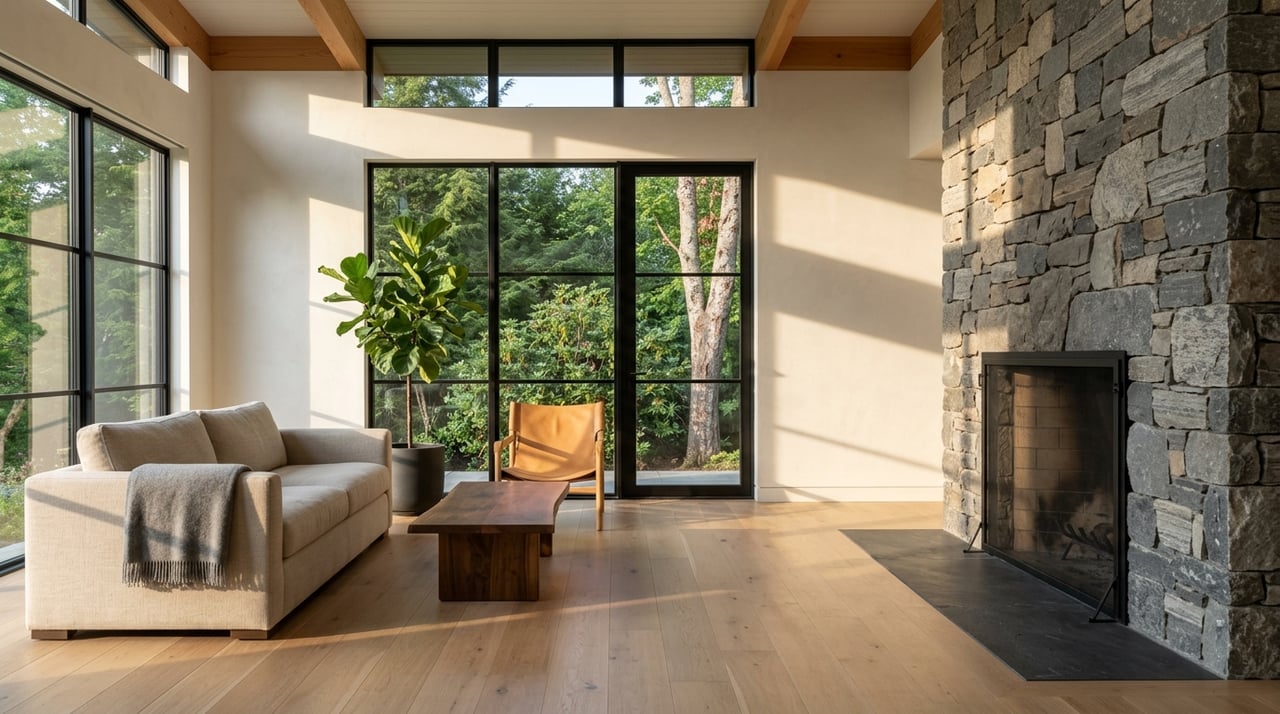
A new home may give you the chance to choose design details, reduce near-term repair needs, and enjoy updated materials and systems. If you have a very specific wish list, building can offer flexibility that resale homes may not.
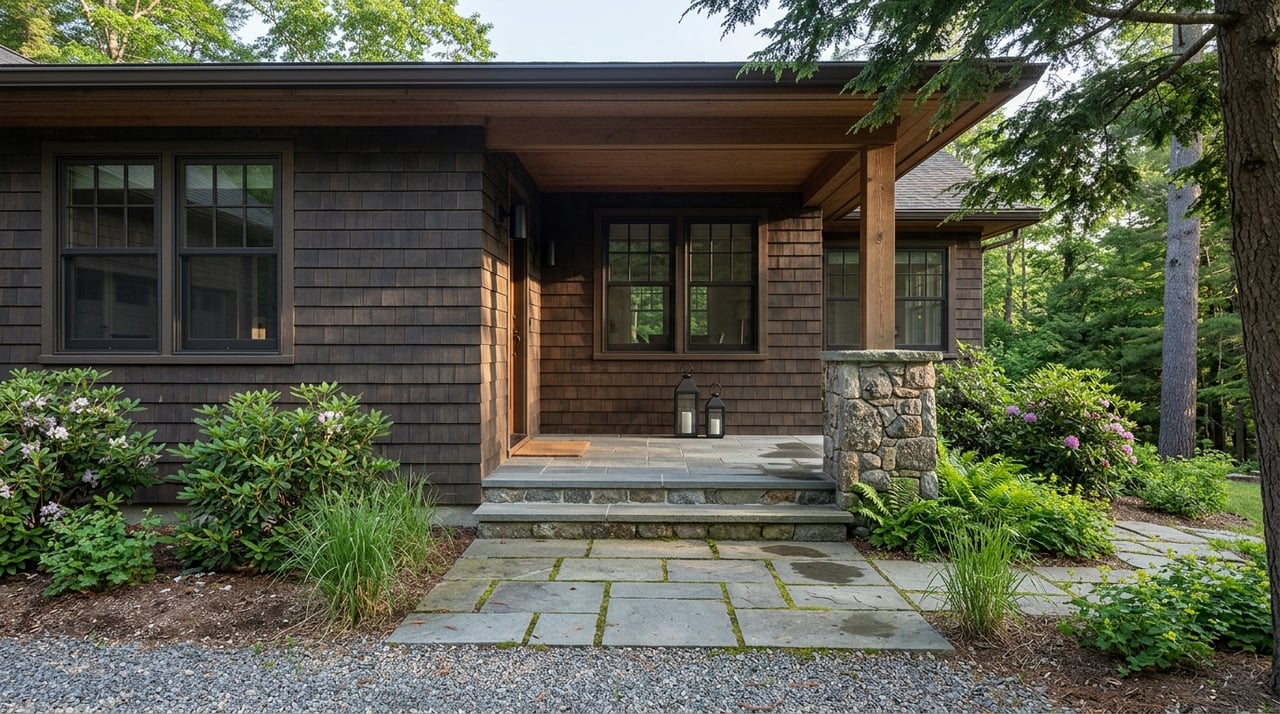
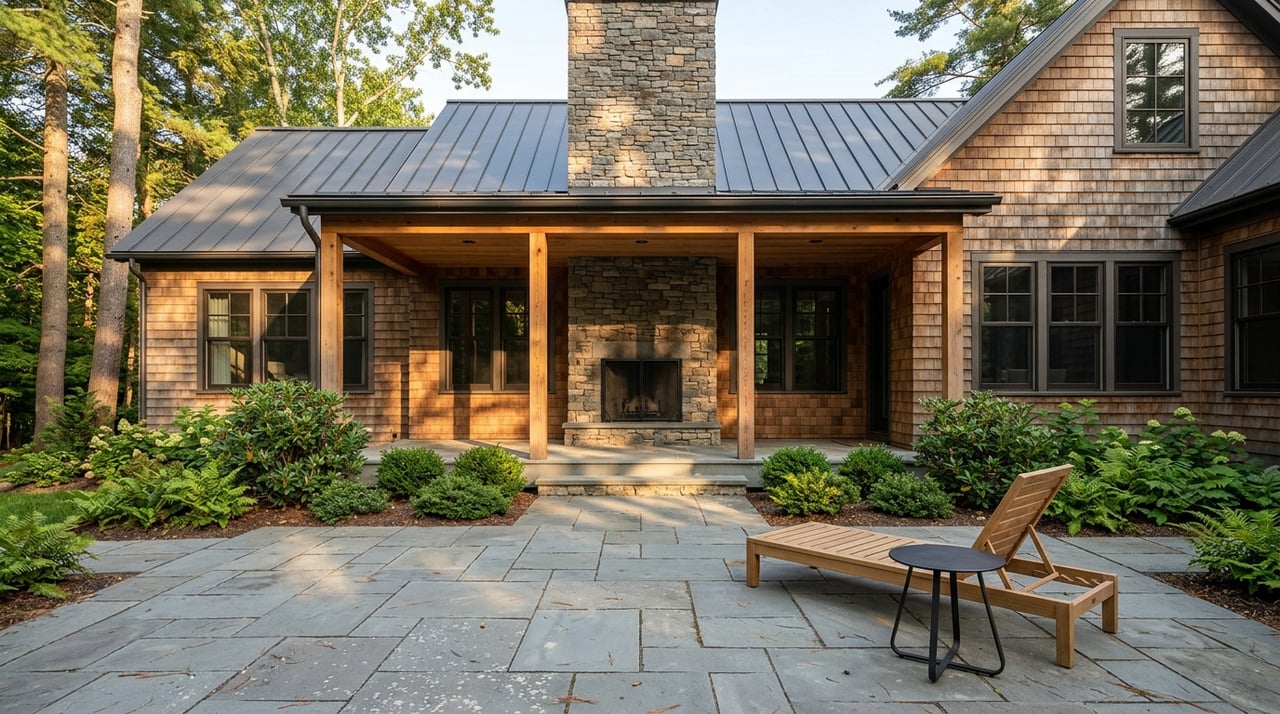
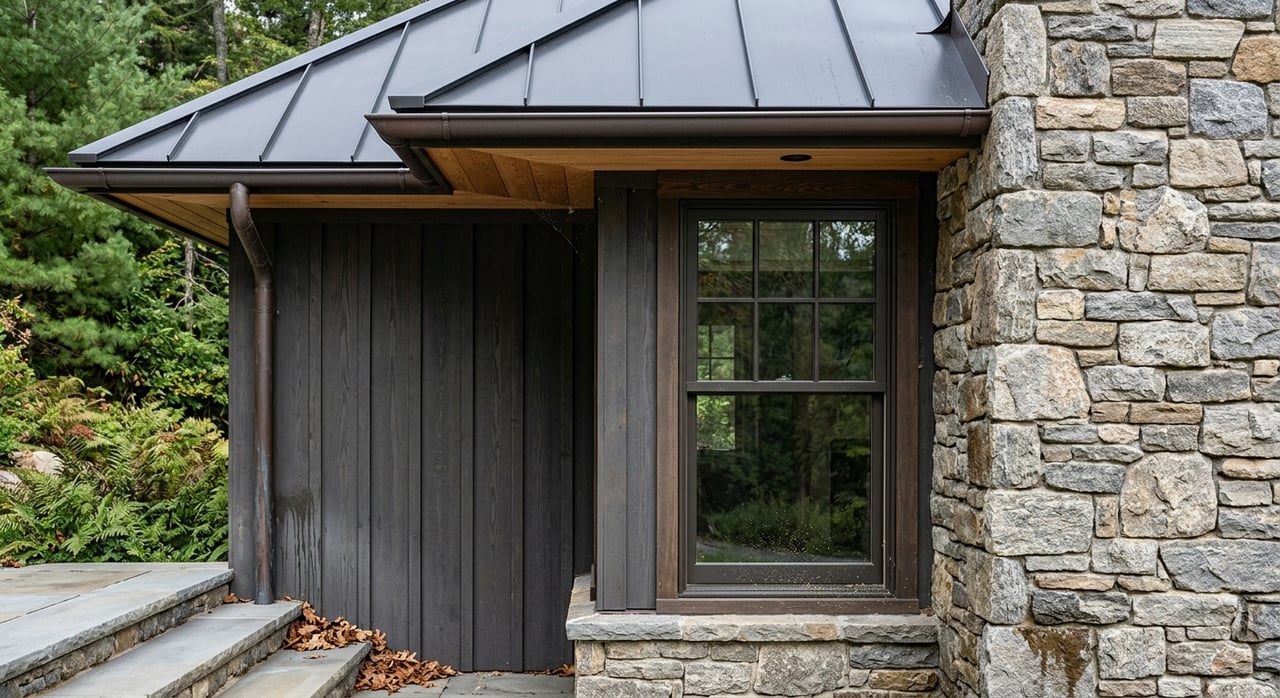
New construction in this area can also reflect the mountain setting. Watauga County permit paperwork includes construction types such as frame, modular, log, and timber frame. That means a newly built home in Boone does not have to look generic or out of place.
New construction challenges
The biggest challenge is that building in Boone is rarely just about selecting a floor plan. The Town of Boone requires zoning and building permits, site plans, and inspections before work begins.
The town’s fee schedule lists an initial review time of 10 business days for single-family permits. Complex sites can take longer, especially when steep slope, flood hazard, viewshed, or other special conditions come into play.
That matters because lot conditions can affect cost, timing, and even feasibility. A home site that looks appealing online may require much more site work than expected.
Lot and utility issues matter more here
In Boone, the lot can be just as important as the house plan. The town’s residential primer explains that some residential areas are intended for lower-density use, especially where public water is not available and septic systems are used.
The RA district makes up 12.08% of Boone’s jurisdiction, and it requires larger minimum lots when public water or sewer is not available. In practical terms, truly buildable lots can be limited, and utility access may affect what you can build and how much it costs.
New construction takes longer
A resale purchase can often move more quickly because the house already exists. A new build adds permit review, site prep, utility coordination, grading, inspections, and the construction timeline itself.
Boone requires inspections during the process, including footer and setback, framing, and final inspections. The town also requires inspections to be scheduled 24 hours in advance.
Watauga County adds another milestone. New-structure addresses are assigned only after a building permit has been issued, a driveway has been established, and the rough-in inspection has passed. That is a good reminder that building is a sequence of steps, not a single event.
Resale homes in Boone
A resale home can offer a more direct path to ownership. You can usually walk the property, see the lot in real time, and evaluate how the home actually lives before you close.
Resale home pros
The biggest advantage of a resale home is clarity. You can see the finished product, assess the setting, and get a better feel for access, drainage, visibility, and surrounding development.
That can be especially helpful in Boone, where terrain plays a major role. A driveway, slope, drainage pattern, or outdoor space may have a bigger effect on daily life than buyers from flatter markets expect.
A resale purchase can also be faster than building from the ground up. While you still have inspections, insurance, financing, and closing steps, you skip the full construction phase.
Resale home tradeoffs
The tradeoff is that you inherit the age and condition of existing systems and features. Older roofs, HVAC systems, windows, decks, drainage setups, or driveways may need attention sooner rather than later.
That does not make a resale home a bad choice. It just means your budget should account for repairs, maintenance, and future improvements.
Site conditions still matter with resale homes
In Boone, site-related issues do not disappear just because a home is already built. The town’s floodplain guidance notes that standard homeowners insurance typically does not cover flood damage, and separate flood insurance is often needed.
The town also states that floodplain development permits are required before disturbing special flood hazard areas. Private drainage maintenance is the owner’s responsibility, and the town advises homeowners to clean gutters twice a year and avoid discharging water over the edge of a steep slope.
If you are buying a resale home and plan to improve the exterior later, site rules still matter. Boone’s grading ordinance applies to land-disturbing activity and may require detailed plans, site-specific geologic analysis on very steep slopes, and engineered stabilization or retaining-wall design where needed.
That means a resale home on a steep or challenging lot could still involve major cost if you want to add a garage, driveway, porch, retaining wall, or other exterior feature later.
Short-term rental plans need early review
For some Boone buyers, intended use is a major part of the decision. If you are considering a second home or a property with income potential, zoning should be part of your decision from the start.
Boone says whole-home short-term rentals are not allowed in residential zoning districts. Homestays are allowed with an annual permit, and vacation rentals are limited by district and transitional-zone rules.
That means neither new construction nor resale should be judged on appearance alone if rental use matters to you. The property’s zoning and allowed use can be just as important as the home itself.
Is new construction cheaper?
Not always. In Boone, the base price of a new home or lot does not tell the whole story.
Site work, slope stabilization, driveway installation, utility access, and floodplain-related requirements can all change the total cost. A lower starting number can become much higher once land conditions are fully understood.
A resale home may feel more expensive up front, but it can sometimes offer more certainty because the access, grading, drainage, and structure are already in place. The right comparison is not just purchase price. It is total cost, total risk, and total timeline.
A simple way to decide
If you are torn between new construction and resale, this framework can help.
New construction may fit you best if:
- You want newer systems and modern materials
- You value customization
- You can handle a longer timeline
- You are comfortable doing deeper lot and site due diligence
- You understand that final costs may shift based on terrain and utilities
Resale may fit you best if:
- You want to move faster
- You prefer to see the finished home and lot before committing
- You want more certainty about access, drainage, and surroundings
- You are comfortable budgeting for maintenance or updates
- You want to avoid the extra layers of a full build process
What to focus on before you choose
In Boone, a smart home search is rarely just about square footage or style. It should also include a close look at the lot, access, utility setup, site constraints, and your ideal timeline.
That is especially true if you are buying from out of town, shopping for a second home, or comparing multiple property types. A mountain home can be beautiful and still require very different ownership expectations depending on the site.
The best choice is the one that fits how you plan to use the property, how quickly you want to move, and how much complexity you are comfortable managing. In Boone, that kind of step-by-step evaluation can save you time, money, and stress.
If you are weighing new construction versus resale in Boone, working with a local advisor who understands mountain properties, land considerations, and timing can make the process much clearer. When you are ready for a thoughtful, concierge-style conversation, connect with Robin Lineberger Stykes.
FAQs
What makes new construction in Boone different from other markets?
- New construction in Boone often involves extra considerations such as steep slopes, flood hazards, utility access, zoning, grading, and permit review timelines.
Are resale homes in Boone easier to evaluate before buying?
- Yes. With a resale home, you can usually see the finished house, assess the lot, and better understand access, drainage, and surrounding conditions before closing.
Can a Boone home be used as a short-term rental?
- Not automatically. Boone restricts whole-home short-term rentals in residential zoning districts, and allowed uses depend on zoning and local permit rules.
Does new construction in Boone usually take longer than resale?
- Yes. New construction adds permitting, inspections, site prep, driveway work, and the build timeline, which usually makes it slower than buying an existing home.
Is a resale home in Boone always more maintenance-heavy?
- Not always, but resale homes often come with older systems and components, so you should plan for possible repairs, updates, and ongoing maintenance.
What should Boone buyers compare beyond price?
- You should compare total cost, site conditions, utility access, zoning, timeline, maintenance expectations, and how you plan to use the property.