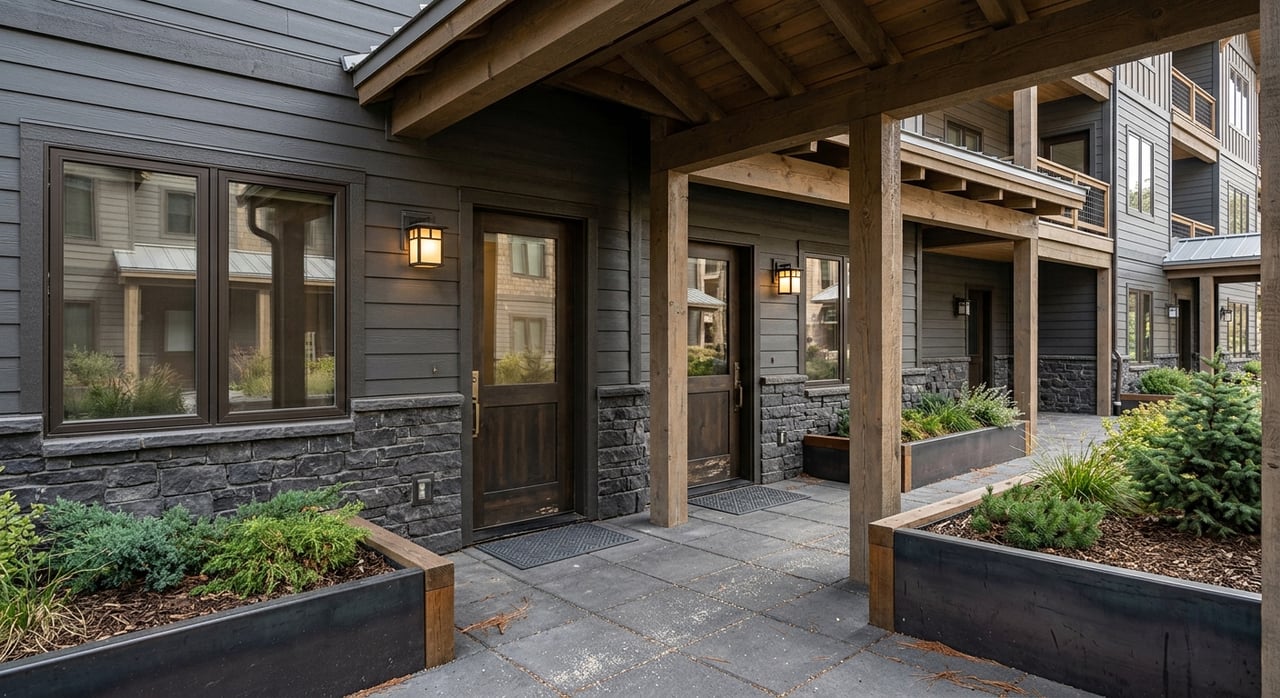
Dreaming about a low-maintenance mountain getaway in Beech Mountain? A condo or townhome can be a smart way to enjoy four-season living here, but the right purchase depends on more than views and proximity to the slopes. If you are weighing lifestyle, rental flexibility, HOA costs, and winter logistics, this guide will help you ask the right questions and move forward with confidence. Let’s dive in.
Why Beech Mountain Condos and Townhomes Stand Out
Beech Mountain offers a very specific kind of mountain experience. At 5,506 feet, it is the highest town in the Eastern USA, and the town says summer highs seldom top 75 degrees. In winter, skiing, snowboarding, snow tubing, and snowshoeing help make it a true cold-weather destination.
That appeal goes well beyond winter. Beech Mountain Resort lists 95 skiable acres, 17 trails, 9 lifts, 100% snowmaking coverage, two terrain parks, restaurants, rentals, and summer activities like lift rides, mountain biking, disc golf, and live music. If you want a property that supports both personal use and a four-season mountain lifestyle, condos and townhomes often rise to the top.
These homes also fit how many buyers want to use Beech Mountain. Some want a weekend base, some want a second home, and others want a property in an established vacation-rental setting. Since the town’s full-time population is about 550 but can swell to around 10,000 on busy winter days, practical details like parking, access, and guest logistics matter more here than they might in other markets.
Condo vs. Townhome in North Carolina
Before you fall in love with a floor plan, make sure you understand what you are actually buying. In North Carolina, a condominium gives you separate ownership of your unit along with shared ownership of the common areas. Those common elements are generally everything outside the unit, while limited common elements can include items assigned to a specific unit, such as decks, balconies, patios, or some exterior doors and windows.
Many townhomes are organized differently. In a planned community, which is governed by a different North Carolina statute, the key distinction is that a lot is a physical portion designated for separate ownership or occupancy, and the association owns or leases the common elements other than the lots. In plain English, the marketing label does not control the legal structure. The recorded declaration does.
That difference affects your maintenance obligations, insurance questions, and monthly costs. A property called a “townhome” may not function the way buyers expect, and a “condo” may include limited common elements that create shared responsibility questions. This is why reviewing the declaration, bylaws, and association records early is so important.
What HOA Fees and Records Can Tell You
In both condo and planned-community structures, associations can adopt budgets, collect common-expense assessments, and maintain records for owners. For buyers, that means the HOA documents are not just paperwork. They are one of the best tools you have for understanding the true cost and condition of the property.
For condos and planned communities in North Carolina, annual income-and-expense statements and balance sheets must be available within 75 days after the close of the fiscal year. Owners can also request unpaid-assessment statements from the association. On condo resales, the seller must provide a statement of the monthly common expense assessment and other fees payable before conveyance, which gives you a specific fee number to verify.
As you review an HOA, ask for:
- The current budget
- Reserve information
- Recent meeting minutes
- The master insurance certificate
- Any history of special assessments
- A breakdown of monthly dues and other fees
These documents can help you spot whether the association appears well organized, whether reserves seem adequate for future repairs, and whether major expenses may be on the horizon.
Amenities You May Find in Beech Mountain Communities
One reason condos and townhomes are so popular in Beech Mountain is the range of amenities available in established communities. The town’s lodging information highlights communities such as Pinnacle Inn, Cedar Village, Christie Village, and Klonteska. Some properties offer ski-in/ski-out access, and individual communities may include kitchens, fireplaces, private balconies, parking, indoor pools, and hot tubs.
For example, the town describes Pinnacle Inn as individually owned units at about 5,000 feet with kitchens, private balconies, Wi-Fi, fireplaces, parking, and amenities that include a year-round indoor heated pool, hot tub, saunas, workout area, tennis or pickleball, a playground, and mini golf. Cedar Village is described as offering 3-bedroom condos with an indoor pool and hot tub, while Klonteska is noted as walkable to downtown Beech Mountain.
That said, building amenities are only part of the picture. Beech Mountain itself offers year-round amenities that can shape how you use the property. Buckeye Recreation Center provides indoor fitness and court space plus outdoor trails, and the town says Beech Mountain has 27 miles of maintained hiking and biking trails along with a paved Greenway.
Mountain Logistics Matter More Than You Think
A mountain condo or townhome can feel wonderfully simple, but the day-to-day details still matter. In Beech Mountain, the town says the speed limit is 25 mph, GPS can be unreliable in some areas, and Uber does not operate on the mountain. These are not minor details when you are arriving after dark, coordinating guests, or planning winter weekends.
Parking deserves close attention too. The town notes that visitors should not park in condo-complex lots unless they are patrons, and the resort’s overflow lot uses a free shuttle. If you expect guests, renters, or multiple drivers, ask exactly how many spaces are assigned and whether there are limits during peak season.
You will also want to ask about trash, road access, and arrival procedures. The town FAQ notes that multi-home complexes should use on-site blue Republic dumpsters for trash. Cell coverage can vary by carrier and location, so it is smart to verify signal strength, internet quality, and any winter-specific arrival instructions before you buy.
Key Due Diligence Questions to Ask
In Beech Mountain, a good showing is not enough. You need to understand how the property works in real life, especially in winter and during peak visitor periods. That means asking detailed questions before you make an offer.
Start with the basics:
- What exactly does the monthly HOA fee include?
- What is excluded from the HOA fee?
- Who handles roofs, siding, decks, balconies, patios, and exterior fixtures?
- Who handles snow removal, trash, and parking areas?
- How many owner and guest parking spaces come with the property?
Then move into mountain-specific questions:
- What type of heat does the property use?
- How is freeze protection handled?
- What is the age and condition of the roof?
- Are access roads and driveways maintained year-round?
- How reliable are cell service and internet at this building?
If rental income is part of your plan, ask even more:
- Are short-term rentals allowed?
- Are there minimum-stay rules?
- Are there guest-registration requirements?
- Are there parking caps for renters or guests?
- Is on-site management required or available?
Because Beech Mountain has an established vacation-rental ecosystem, rental-friendly opportunities do exist. Still, the actual rules are community-specific, so it is important to confirm them in the governing documents rather than rely on assumptions.
Why Insurance and Maintenance Deserve Extra Attention
North Carolina law requires condo associations to maintain property insurance on the common elements at not less than 80% of replacement cost, and similar common-element insurance rules apply in planned communities. That is a helpful baseline, but it does not answer every question a buyer should ask.
You still need to know what the master policy covers and what you will need to insure inside the unit. You also want clarity on maintenance responsibilities. In some communities, items like balconies, decks, or exterior doors may be limited common elements, which can make responsibility less obvious unless you read the documents carefully.
In a high-elevation market like Beech Mountain, maintenance planning matters. Snow, ice, freezing temperatures, and year-round weather exposure can all affect roofs, exterior materials, and access. A condo or townhome can reduce some maintenance headaches, but only if you fully understand who is responsible for what.
What to Know About New Condo Purchases
If you are buying a new condo in North Carolina, the process includes a few buyer protections worth knowing. The developer must provide a public offering statement before the contract is signed. That statement must disclose key items such as the declaration, bylaws, rules, related contracts or leases, and a projected budget.
Buyers also have an absolute seven-calendar-day cancellation right after execution. That window gives you time to review the documents carefully and decide whether the property and association fit your goals. If you are comparing new construction opportunities, this step is especially important.
A Smart Buying Strategy for Beech Mountain
The most successful buyers here tend to take a step-by-step approach. They compare the listing information with the declaration, bylaws, budget, and association records rather than relying on marketing language alone. That extra work can help you avoid surprises around fees, rental limits, maintenance obligations, or winter access.
It also helps to think clearly about how you plan to use the property. A weekend retreat, a second home, and a rental-oriented purchase may all point you toward different buildings or ownership structures. The right choice is usually the one that matches your lifestyle, your budget, and your tolerance for hands-on management.
When you buy in a mountain market, details matter. A beautiful unit with weak parking, unclear snow removal, or restrictive rental rules may not serve you as well as a slightly less flashy property with stronger logistics and clearer HOA operations.
If you want help comparing Beech Mountain condos and townhomes with a clear, step-by-step plan, Robin Lineberger Stykes offers concierge-level guidance tailored to the NC High Country.
FAQs
What is the difference between a Beech Mountain condo and townhome?
- In North Carolina, a condo usually means you own the unit and share ownership of the common elements, while many townhomes are part of a planned community where the declaration defines what is a lot, what is common property, and who maintains what.
What should you review before buying a Beech Mountain condo?
- You should review the association budget, reserve information, meeting minutes, insurance certificate, monthly dues, other fees, and any history of special assessments, along with the declaration and bylaws.
Are short-term rentals allowed in Beech Mountain condos and townhomes?
- Some communities may allow rentals, but the rules are community-specific, so you should verify short-term rental policies, minimum stays, guest rules, and parking limits directly in the governing documents.
Why do parking and access matter so much in Beech Mountain?
- Beech Mountain has strong seasonal visitor swings, a 25 mph speed limit, areas where GPS can be unreliable, and no Uber service on the mountain, so owner and guest parking, arrival instructions, and winter access are especially important.
What amenities can you expect in Beech Mountain condo communities?
- Depending on the community, you may find features like fireplaces, private balconies, parking, indoor pools, hot tubs, and in some cases access that is close to skiing, downtown, or recreation amenities.
What is the most important question to ask about a Beech Mountain HOA?
- A great starting point is asking exactly what the monthly HOA fee includes and excludes, because that often reveals key details about maintenance, insurance, snow removal, trash service, and overall ownership costs.